Poker Bluffing Guide For Reading Hidden Strength
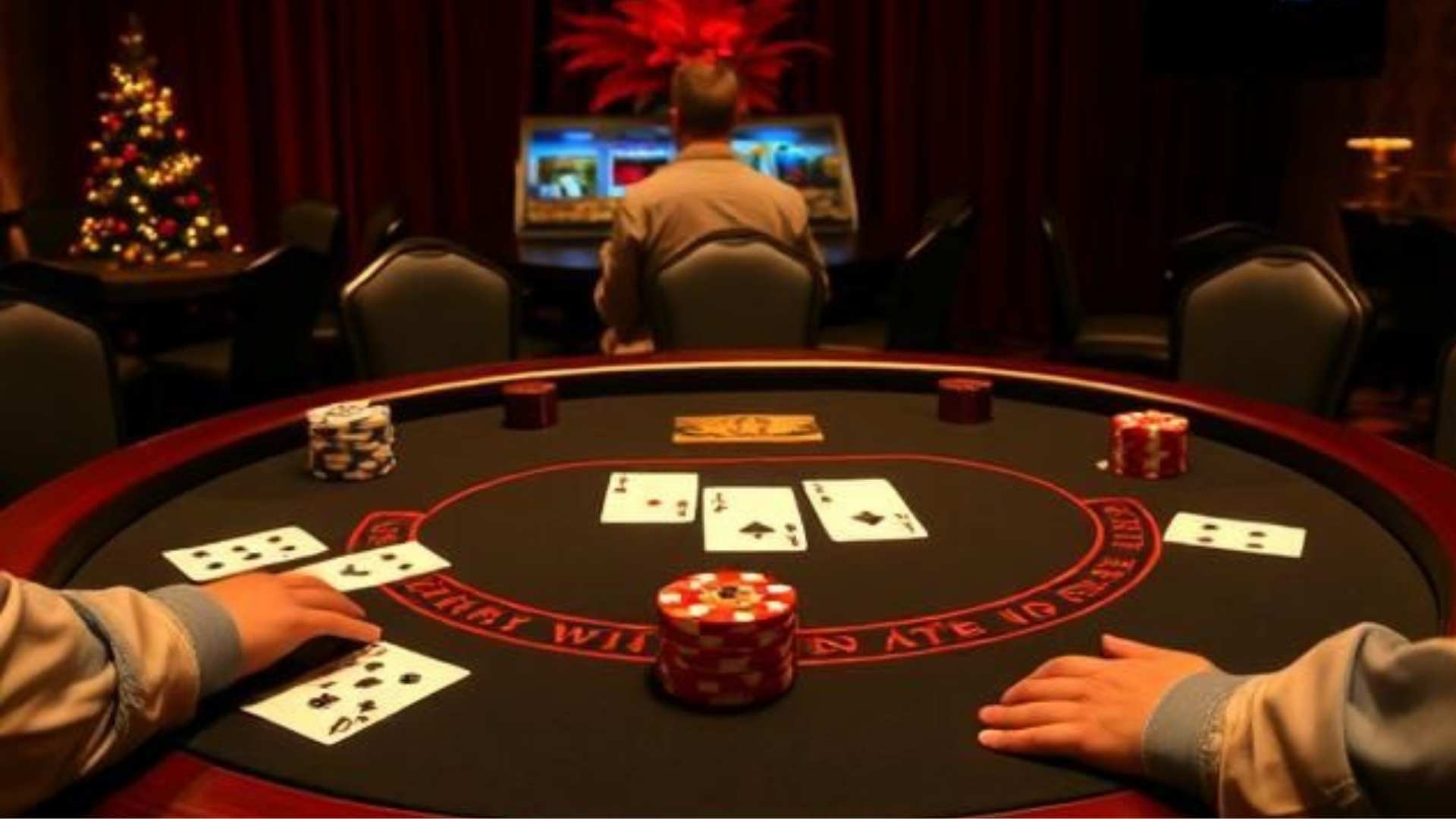
Mastering the dynamics of a poker table requires far more than simply recognizing the standard value of your own cards. True strategic superiority lies in your ability to decipher the subtle cues that indicate an opponent is masking a remarkably powerful hand behind a facade of weakness or hesitation. By learning to identify these hidden patterns, disciplined players can make highly informed choices that protect their chip stack and maximize long-term profitability.
The Psychology of Subverted Expectations
Many amateur players mistakenly believe that aggressive betting always indicates a strong hand, while quiet checking signifies absolute vulnerability. However, experienced competitors frequently utilize deceptive pacing to trap overconfident opponents who fail to read the deeper narrative of the game. Recognizing when a player is intentionally underrepresenting their true card values is the first major step toward achieving advanced tactical awareness.
When an opponent suddenly slows down their usual betting rhythm despite a highly favorable community card texture, danger is often looming. This calculated passivity is designed to induce bluffs from rivals who misinterpret the temporary silence as a sign of weakness. Discerning players must analyze historical betting habits to determine whether this behavior constitutes a sophisticated trap.
Deciphering Technical Timing Cues
Observing the exact physical or digital timing of an action provides invaluable data during intense poker rounds. A sudden, prolonged pause followed by a standard check often signals that a player is trying to project uncertainty while secretly holding a monster combination. This psychological manipulation aims to make the pot look more appealing to unsuspecting opponents.
Conversely, a near-instantaneous check can sometimes reveal a premeditated plan to check-raise once someone else initiates a bet. You can explore comprehensive tactical insights and modern strategy guides on reliable gaming platforms like M88asia to further sharpen your analytical capabilities. Developing a sharp eye for these rapid changes in table velocity will prevent you from falling into well-laid traps.
Analyzing Post-Flop Range Distributions
Evaluating how a specific board texture connects with an opponent's perceived opening range is vital for uncovering hidden strength. When a player calls large pre-flop raises and continues to casually call on coordinated boards, they are rarely operating with complete air. They are likely holding hidden sets, two-pair combinations, or powerful drawing cards that they intend to activate later.
Reckless bluffing into a player who has consistently demonstrated resilience across multiple streets is a recipe for sudden financial loss. Analytical strategists carefully weigh the mathematical probability of their opponent holding a premium hand before executing a high-risk move. Maintaining a balanced perspective on range distribution ensures long-term consistency throughout competitive tournament environments.
Implementing Defenses Against Hidden Traps
Once you suspect that an opponent is masking immense strength, adjusting your betting sizes becomes your primary line of defense. Minimizing your exposure by checking behind rather than making an unnecessary value bet can save a significant portion of your bankroll. Controlling the final size of the pot allows you to dictate the terms of the showdown effectively.
Ultimately, transforming these professional observation principles into automatic habits requires patience, discipline, and regular focused practice. Combining sharp psychological reads with concrete mathematical awareness creates a highly formidable style of play that can withstand complex strategies. Staying vigilant at all times will ensure you remain ahead of the competition in any live or virtual card arena.